About Electric Programmable Logic Controllers
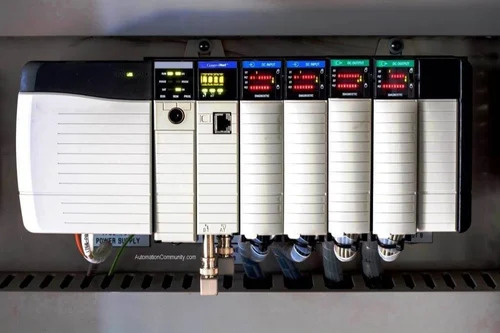
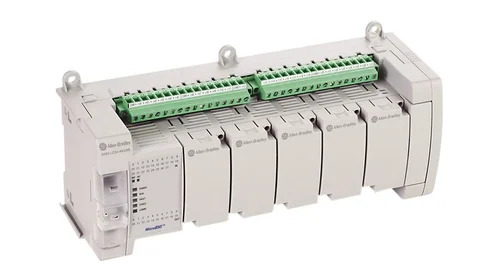
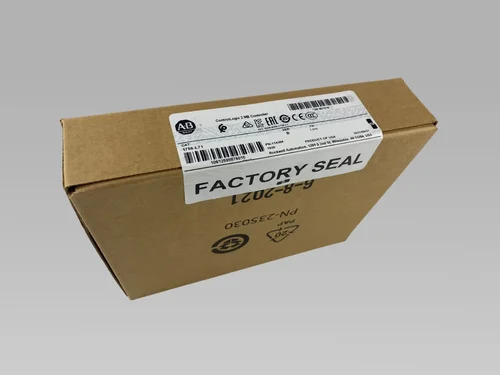
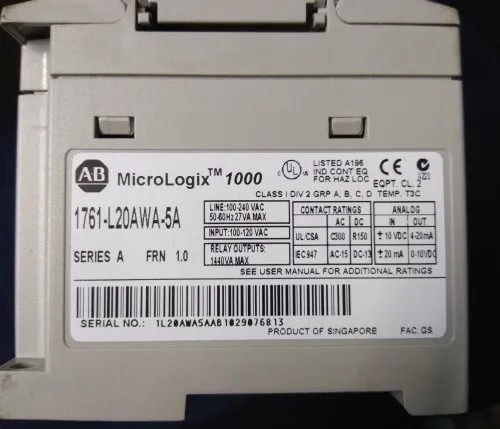
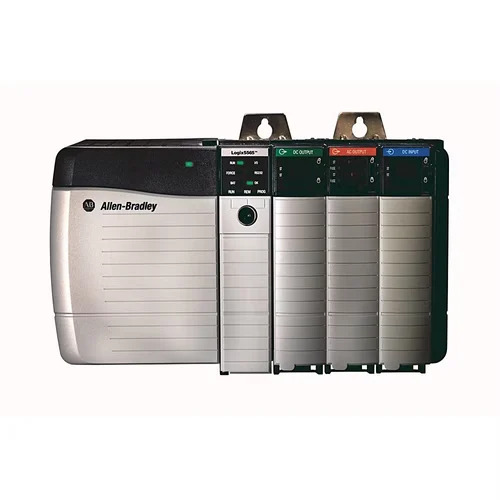
Discover this Special Electric Programmable Logic Controller - a triumphant solution for industrial automation needs. With hot-selling features such as powerful 3 HP motor power, digital relay outputs, and pristine LED/segment display, it stands out as an uncommon find in the market. Its ABS plastic body assures durability, while module expansion supports future upgrades. The unit arrives in a secure box, boasts a programmable capacity of 8K steps, and supports seamless communication through RS485. Suited for 1-phase, 1 kW applications, it's an exceptional offering by top suppliers, traders, and wholesalers across India.
Electric Programmable Logic Controllers: Application and Direction for Use
Electric Programmable Logic Controllers (PLCs) are a cornerstone in industrial automation, designed for precise control and monitoring applications. These PLCs are suitable for commercial uses such as assembly lines, process automation, and machinery operations. To use, mount the securely on a DIN rail, connect to the industrial equipment, and program logic sequences as per operational needs. Their digital relay outputs and LED displays ensure real-time process monitoring, making them ideal for modern automated systems.
Export Markets, FOB Port, and Sample Offers for Electric PLCs
The market value for Electric Programmable Logic Controllers is robust, with demand rising from industrial sectors across Asia, Africa, and the Middle East. Major Indian supplier ports facilitate reliable FOB shipping with estimated lead times varying by region. We offer sample units for valued clients to review product compatibility before bulk purchase. Such offers give partners the ability to estimate cost-effectiveness, ensuring a successful investment in industrial automation technology.
FAQ's of Electric Programmable Logic Controllers:
Q: How do Electric Programmable Logic Controllers enhance industrial automation?
A: Electric PLCs streamline control processes, allowing precise and programmable management of industrial machines, which increases productivity and reduces manual intervention.
Q: What industries commonly use these Electric PLCs?
A: These PLCs are widely adopted in sectors such as manufacturing, packaging, food processing, and any industry requiring complex machine control and process automation.
Q: Where should these PLCs be installed for optimum performance?
A: They should be mounted on DIN rails within control panels, providing stability and adequate protection in industrial environments.
Q: What is the process for expanding module capacity in these PLCs?
A: Expansion modules can be added easily thanks to the PLC's modular design, allowing for system upgrades as operational demands grow, ensuring flexibility and scalability.
Q: What benefits does the RS485 communication port provide?
A: The RS485 port offers robust and reliable serial communication, facilitating smooth data exchange between the PLC and other automation or controllers.






 Send Inquiry


 Send Inquiry
 Send Inquiry
 Call Me Free


 English
 Spanish
 French
 German
 Italian
 Chinese (Simplified)
 Japanese
 Korean
 Arabic
 Portuguese